Modular vs Stick-Built: How Do They Stack Up?
| Modular Homes | Stick-Built Homes | |
|---|---|---|
| Cost | Typically up to 20% less expensive due to savings from reduced labor, less waste, fewer weather delays, and expedited timeline. | Usually more expensive due to higher labor costs, waste, and weather-related delays. |
| Build Time | Much faster; modules built in factory while site is being prepared. Assembly on site is quick and streamlined. | Slower; more extensive on-site process with greater risk of weather or subcontractor delays. |
| Quality Control | Consistent quality. Built indoors with factory management oversight. Controlled conditions results in tighter seals. Often structurally stronger due to transport requirements. | Quality varies more by builder and site conditions; weather exposure can affect materials. |
| Customization | Good range of layouts and finishes and lots of opportunity for owner input, but design may be limited by module size/transport. | Maximum flexibility; design changes possible during construction, easy to accommodate custom architecture. |
| Energy Efficiency | Often higher due to tighter construction and consistent insulation. | Can be efficient, but depends heavily on builder practices and site conditions. |
| Durability | Modules built to withstand transport, often exceeding structural codes. | Durable if built well, but not subject to extra reinforcement like modular units. |
| Resale Value | Appreciates similarly to stick-built if well-constructed and in a good location. Perceptions are improving. | Generally good resale value; considered the “standard” by most buyers. |
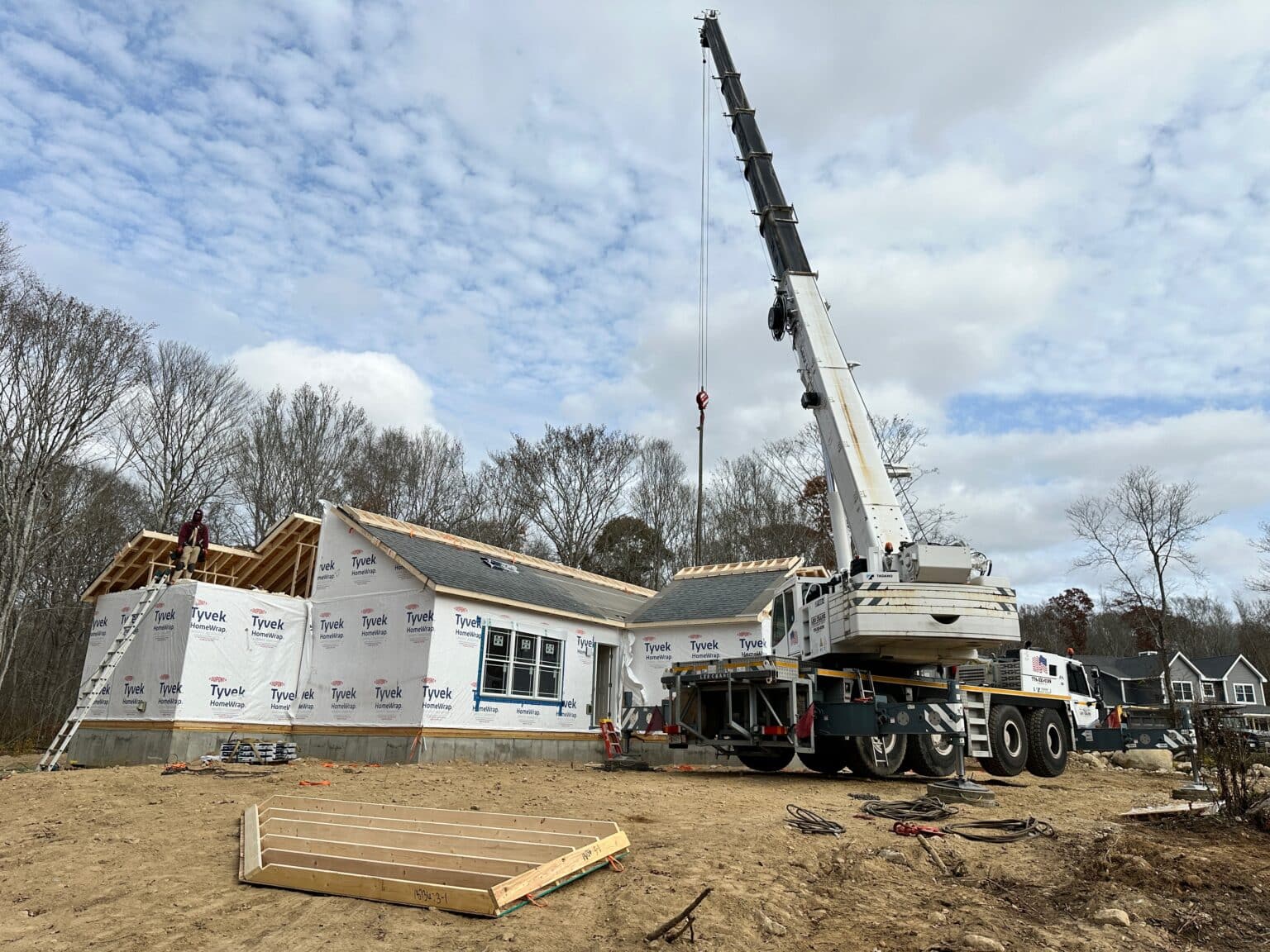
| Site Constraints | Requires good road access for delivery of modules and crane. | Fewer access limitations since materials arrive in smaller loads and are assembled on site. |
| Risk of Delays/Costs | Much lower risk of weather-related complications or site work delays. | Higher risk of weather damage, cost overruns, and construction delays. |
| Financing & Zoning | Like stick-builds, modular builds are typically financed via construction loans. In the case of “self-GC”, there may be fewer available lenders. | Widely accepted by banks, appraisers, and zoning boards. |
Related Posts
ADU Deployment in CT – Barriers & Challenges to Overcome
Understanding what’s holding back accessory dwelling units — and how to move forward. Accessory dwelling units (ADUs) — often referred